For adventurers who push boundaries in icy mountains, snowy forests, or windswept plains, staying warm isn’t a luxury—it’s survival. Traditional layers can bulk you down, while campfires and hand warmers are unreliable in extreme conditions. Enter modern heated clothing: lightweight, portable gear that delivers targeted warmth exactly where you need it. From frostbitten toes to shivering fingertips, here’s how heated socks, gloves, and vests empower explorers to conquer the cold—without wasting energy on heating empty spaces.
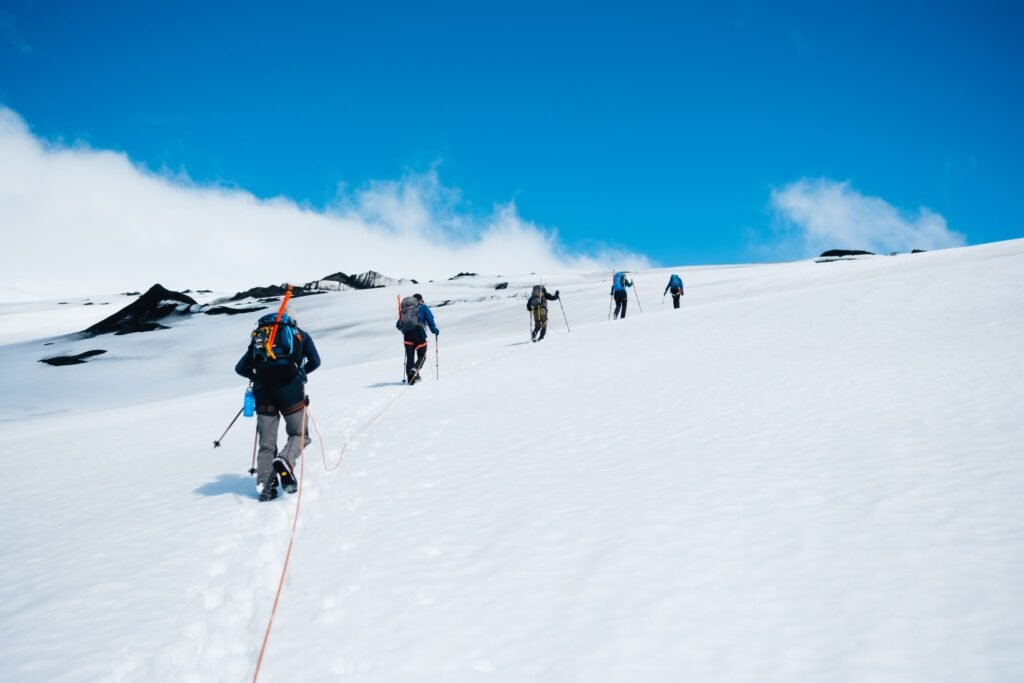
Heated Socks: Defying Frozen Terrain
Picture trekking through Alaska’s Denali wilderness at -20°F (-29°C). Even premium wool socks eventually surrender to numbness, risking frostbite. Heated socks, embedded with carbon fiber panels, solve this by wrapping feet in adjustable warmth (typically 95°F–140°F/35°C–60°C). Battery-powered and controlled via Bluetooth, they focus heat on toes and arches—critical zones for circulation. Backpacker Mia Torres credits hers for completing a 10-hour glacier hike: “My feet stayed toasty without sweating. I could focus on the trail, not the cold.” With 6–8 hours of runtime, they’re ideal for multi-day winter expeditions.

Heated Gloves: Precision in Freezing Climates
Rock climbing in Colorado’s Rockies demands dexterity, but bulky gloves hinder grip. Heated gloves strike a balance: thin enough for gear handling, yet warm enough to prevent stiff fingers. Built-in heating elements line the palms and fingertips, activated by a discreet button. Wildlife photographer Erik Jensen uses them during dawn shoots in Norway: “I adjust the heat mid-shoot without removing gloves. No more missing shots because my hands locked up.” Waterproof models even work for ice fishing or kayaking, ensuring hands stay functional in wet and cold.

Heated Vests: Core Warmth for Endurance
When camping in Patagonia’s erratic weather, managing body heat is key. A heated vest acts as a personal furnace, targeting the chest and back to maintain core temperature. Unlike puffy jackets, it’s slim enough for layering and pairs with solar chargers for off-grid use. Mountaineer Lena Park recalls a 3-day storm in the Andes: “My vest’s low setting kept hypothermia at bay. I conserved energy instead of shivering.” By stabilizing core warmth, heated vets reduce the need for heavy outerwear, enhancing mobility during climbs or long hikes.
Why Heated Clothing Beats Traditional Heating

Heated wear isn’t just about comfort—it’s efficiency. Heating an entire cabin or tent wastes energy, but heated clothing focuses warmth on the body. A vest uses roughly 30–50 watts, compared to a 1,500-watt space heater. For adventurers, this means lighter packs, longer battery life, and adaptability to rapidly changing conditions. Plus, it’s eco-friendly: renewable power sources like portable solar panels can recharge gear sustainably.

In a world where climate extremes test human limits, heated clothing offers a smarter way to stay warm. It’s not about battling the cold around you—it’s about carrying your own invisible shield. Whether summiting peaks or photographing auroras, these innovations let you embrace the wild, one targeted degree at a time. Next time you venture into the frost, remember: that warmth isn’t a place. It’s something you wear.